
Every time a jeonse fraud story hits the news, it feels uncomfortably close to home — but when you're actually about to sign a lease, it's hard to know where to start. Rather than just trusting what the licensed real estate agent tells you, checking things yourself in the order below will catch most red flags.
1Step 1 — Check the landlord's identity and any senior liens on the property register
Before you put your seal on the contract, always look up the property register yourself at the Internet Registry Office (Supreme Court). Confirm that the person you are contracting with is the same person listed as the registered owner, and check whether there is a senior mortgage or seizure on the property. If the maximum secured amount of the senior mortgage is close to the sale price, that is a red flag. It is also safer to check the register again on the day of the contract itself, to make sure nothing changed in the meantime.
2Step 2 — Use the actual transaction price to work out the jeonse-to-sale ratio
Look up recent sale prices for similar-sized units in the same complex on the Ministry of Land, Infrastructure and Transport's Real Transaction Price Disclosure System. If the jeonse deposit exceeds 80–90% of the market sale price, the risk of a so-called "deposit-eating" (kkangtong jeonse) lease is high — even a small drop in the home's value could make it hard to get your full deposit back if the home goes to auction.
3Step 3 — There's no reason to delay your move-in registration and fixed date right after signing
File your move-in registration and get your fixed date the same day you move in — don't put it off. These establish the reference date for your right of opposition and priority repayment right, so even a one-day delay could push you behind another right that gets registered in the meantime.
4Step 4 — If you're still uneasy, consider HUG's Jeonse Deposit Return Guarantee
If you've checked the property register and the market price and you're still uneasy, you can sign up for HUG's Jeonse Deposit Return Guarantee. There is a condition that you must enroll before more than half of the contract term has passed, so it's best to check right after you move in. If the landlord doesn't return your deposit at the end of the lease, HUG pays it to you first.
5Step 5 — If you want the contract itself to be even safer
If your real estate agent uses the Real Estate Transaction Electronic Contract System, you can sign the lease electronically instead of using a paper contract and a personal seal. Completing the e-contract automatically files the transaction report and assigns the fixed date, so you don't need a separate trip to the community service center, and the risk of a forged or altered contract is reduced. If you want to use it, first check whether your agent is registered with the system.
6Step 6 — If a dispute has already come up
If you're already in a situation where you can't get your deposit back, you can apply for free mediation with the Housing Lease Dispute Mediation Committee before going to court.
Services mentioned in this guide
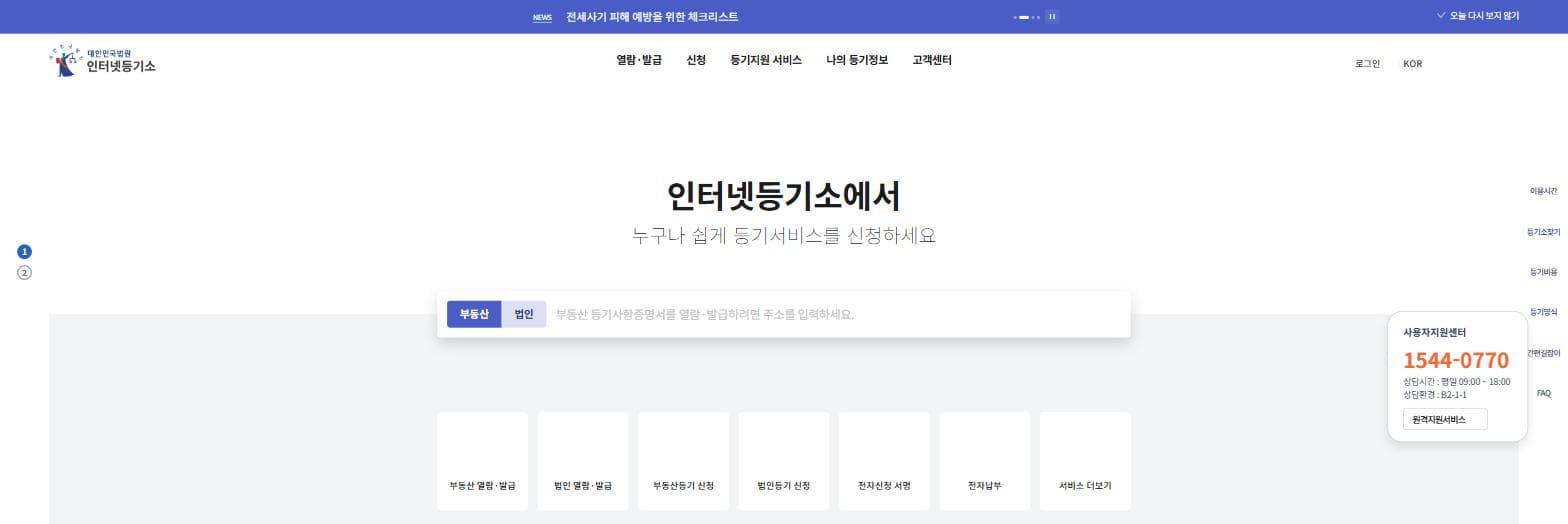
Internet Registry Office
A Supreme Court official service for viewing and issuing real-estate and corporate registry certificates online without visiting in person
Weekdays 07:00-23:00, weekends/holidays 09:00-21:00
Operated by · 대법원
Cost · Paid
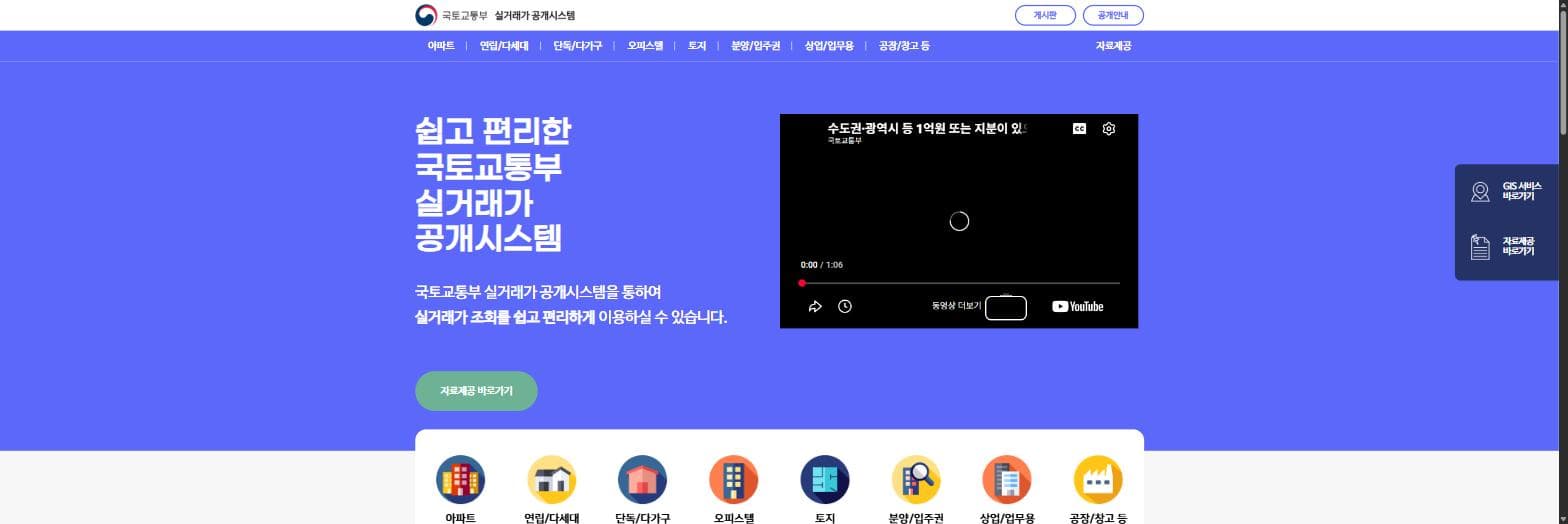
Ministry of Land, Infrastructure and Transport Real Transaction Price Disclosure System
A Ministry of Land, Infrastructure and Transport official system for freely looking up actual reported transaction prices for apartments, houses, and land by region
24 hours
Operated by · 국토교통부
Cost · Free
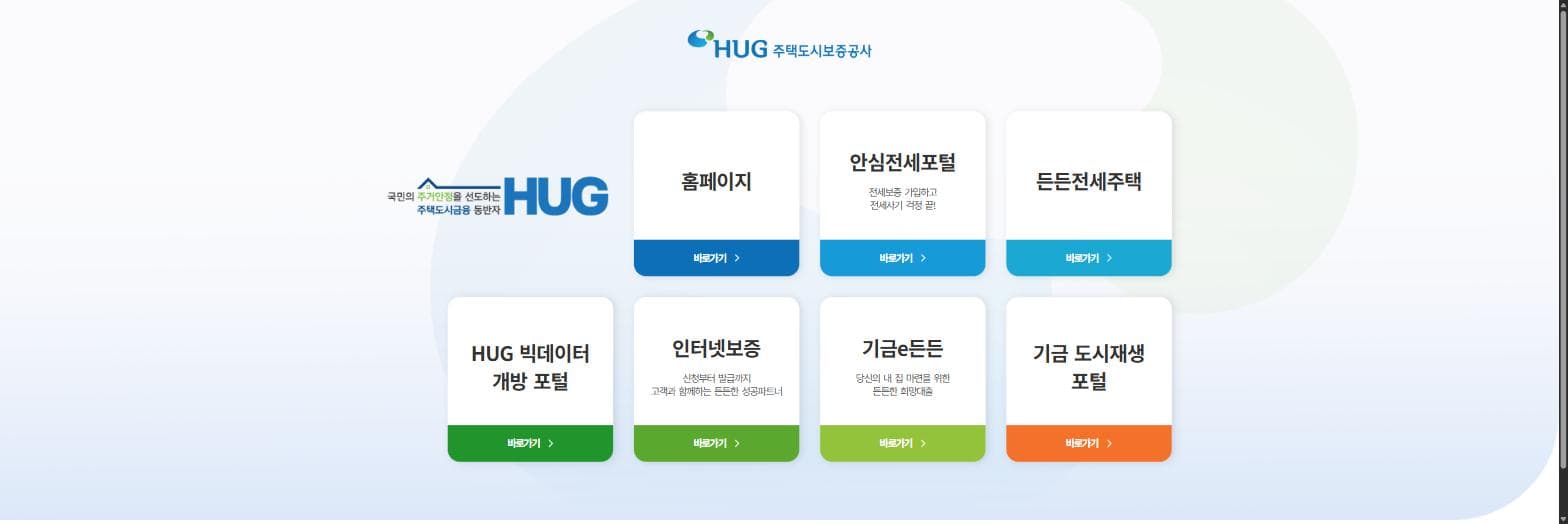
HUG Jeonse Deposit Return Guarantee
A guarantee product from the Korea Housing & Urban Guarantee Corporation that pays out your jeonse deposit on the landlord's behalf if they fail to return it, helping prevent jeonse fraud
Weekdays 09:00-18:00
Operated by · 주택도시보증공사(HUG)
Cost · Paid
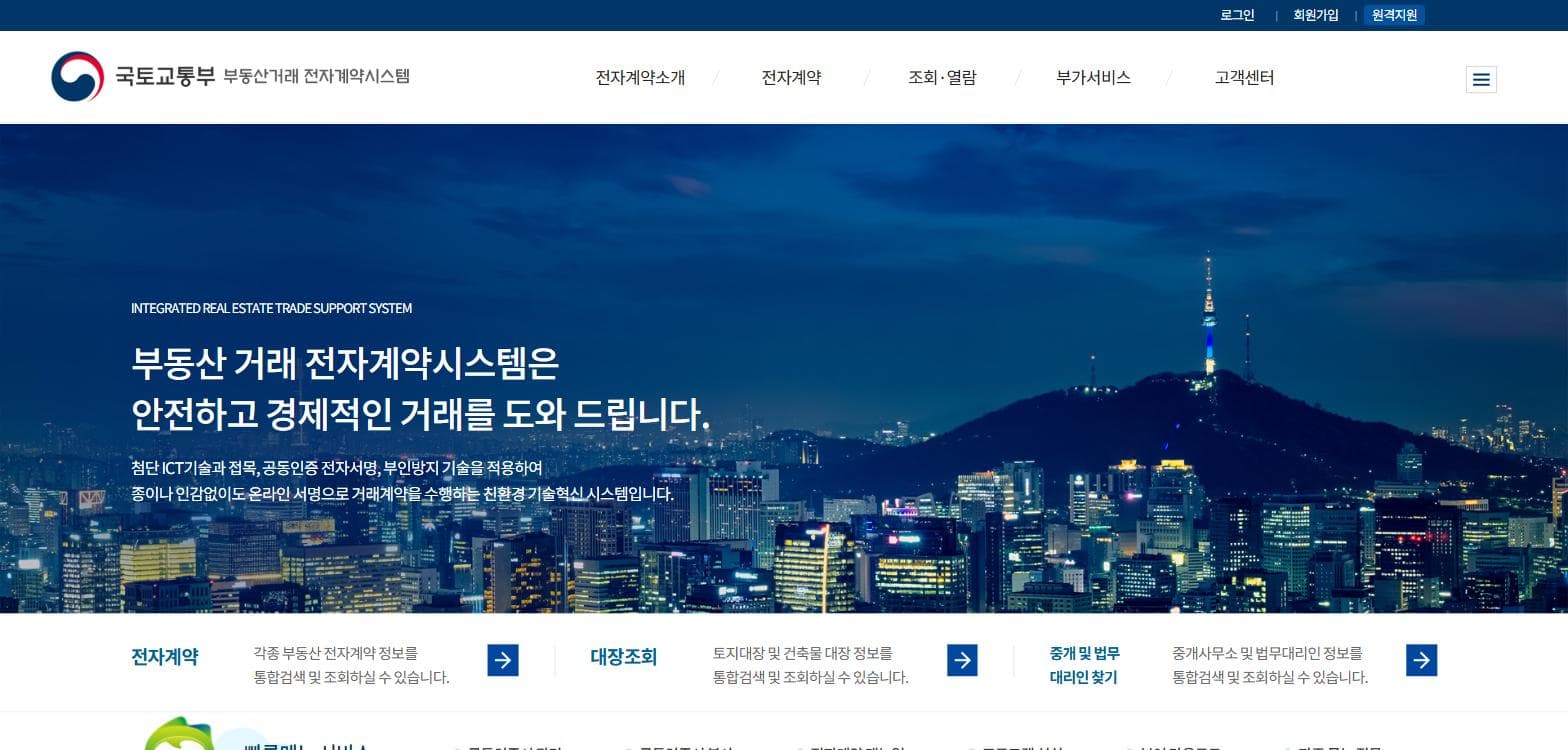
Real Estate Transaction Electronic Contract System
A Ministry of Land, Infrastructure and Transport service for signing sale/lease contracts with an electronic signature - no paper or seal - with automatic real-transaction reporting
24 hours (customer center weekdays 09:00-18:00)
Operated by · 국토교통부
Cost · Free
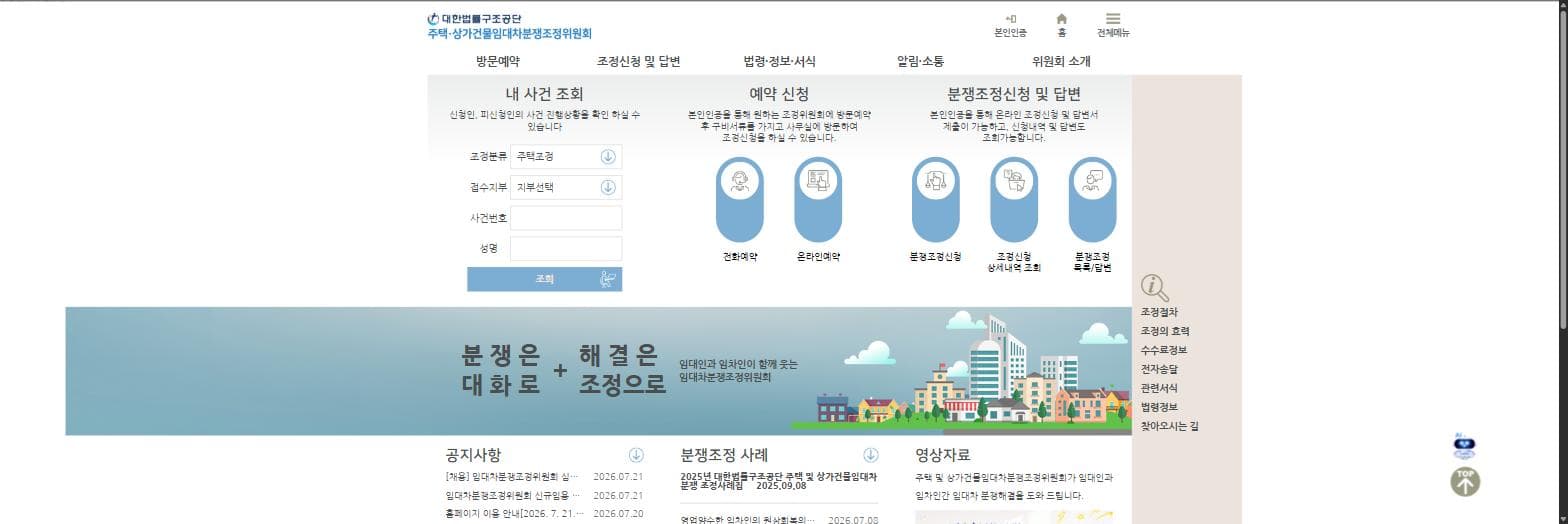
Housing Lease Dispute Mediation Committee
A committee run by the Korea Legal Aid Corporation that mediates jeonse/wolse lease disputes for free without going to court
Weekdays 09:00–18:00
Operated by · 대한법률구조공단
Cost · Free