
Voice phishing is a race against time. If you have already sent money or handed over your information, this is not the moment to blame yourself — moving through the steps below, in order, is the surest way to limit the damage.
1Step 1 — If you have already sent money, request a payment freeze first
If there is an account you sent money to, contact both the call center of the bank you sent it from and the police (112, no area code) at the same time, as fast as possible, and request a payment freeze. 112 is the National Police Agency's main emergency line for reporting crimes and dispatching officers; if it is hard to talk, you can also file a report by text through "Visible 112".
2Step 2 — Check whether another account or loan has been opened in your name
On FINE (Financial Consumer Information Portal), run by the Financial Supervisory Service, you can look up your accounts, insurance policies, and loans scattered across multiple financial companies in one place. Check that no account or loan you do not recognize has been opened under your name, and it is worth reviewing the voice-phishing prevention information there as well.
3Step 3 — If your personal information itself seems to have leaked, report it to 118
If it looks like personal information such as your resident registration number or account number was handed over during the phishing, report it to the Personal Information Infringement Report Center (118, no area code), run by the Korea Internet & Security Agency (KISA). They review whether any law was violated, take corrective action, and notify you of the outcome; if dispute mediation is needed, they will refer you to the Personal Information Dispute Mediation Committee.
Services mentioned in this guide
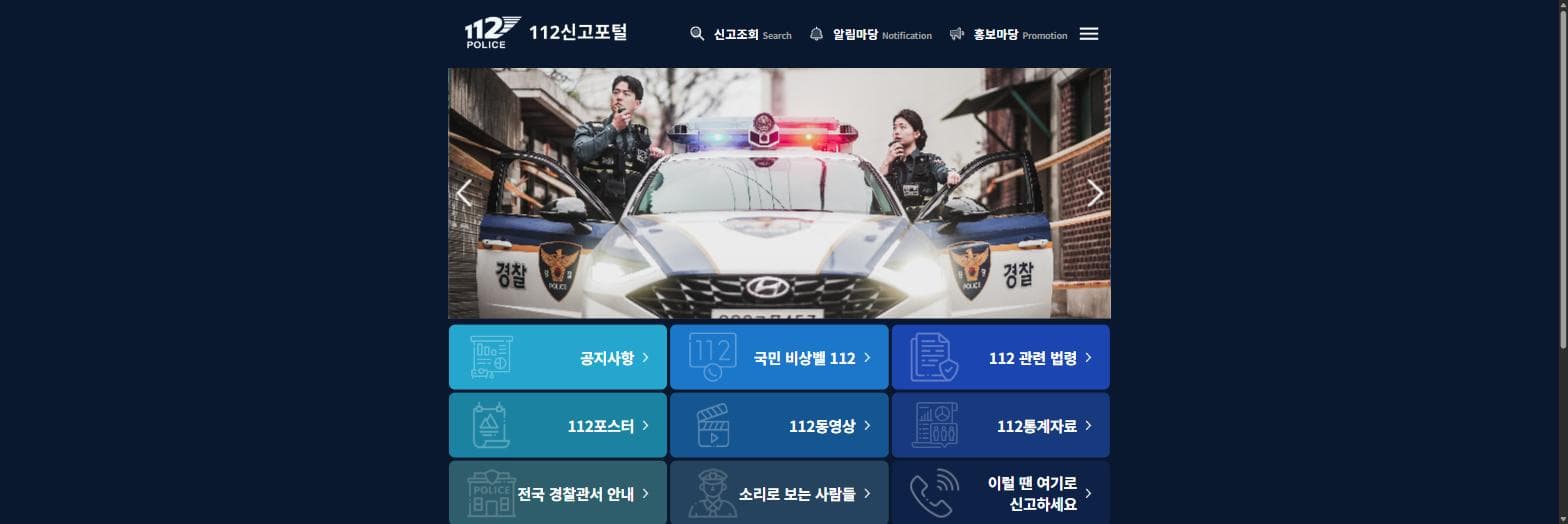
112 Police Emergency Report
The Korean National Police Agency's main emergency hotline and portal for reporting crimes and accidents and requesting a location-based dispatch
24 hours
Operated by · 경찰청
Cost · Free
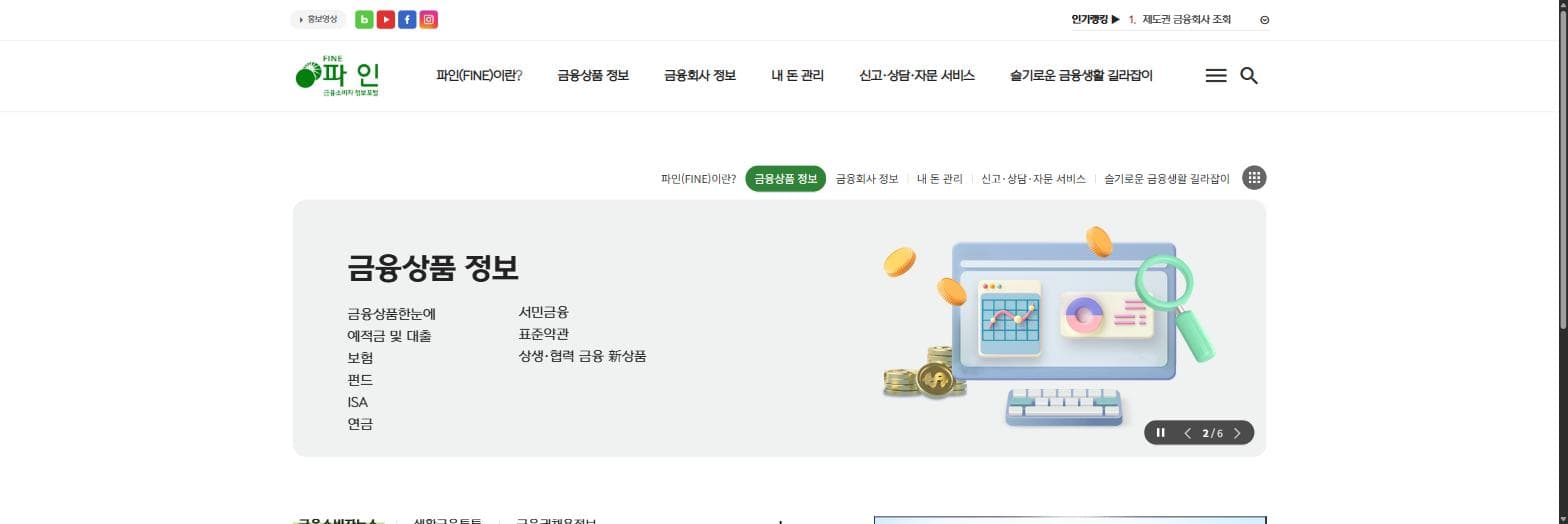
FINE Financial Consumer Information Portal
A Financial Supervisory Service portal covering everything from finding unclaimed financial assets to voice-phishing prevention and comparing financial products
24 hours
Operated by · 금융감독원
Cost · Free
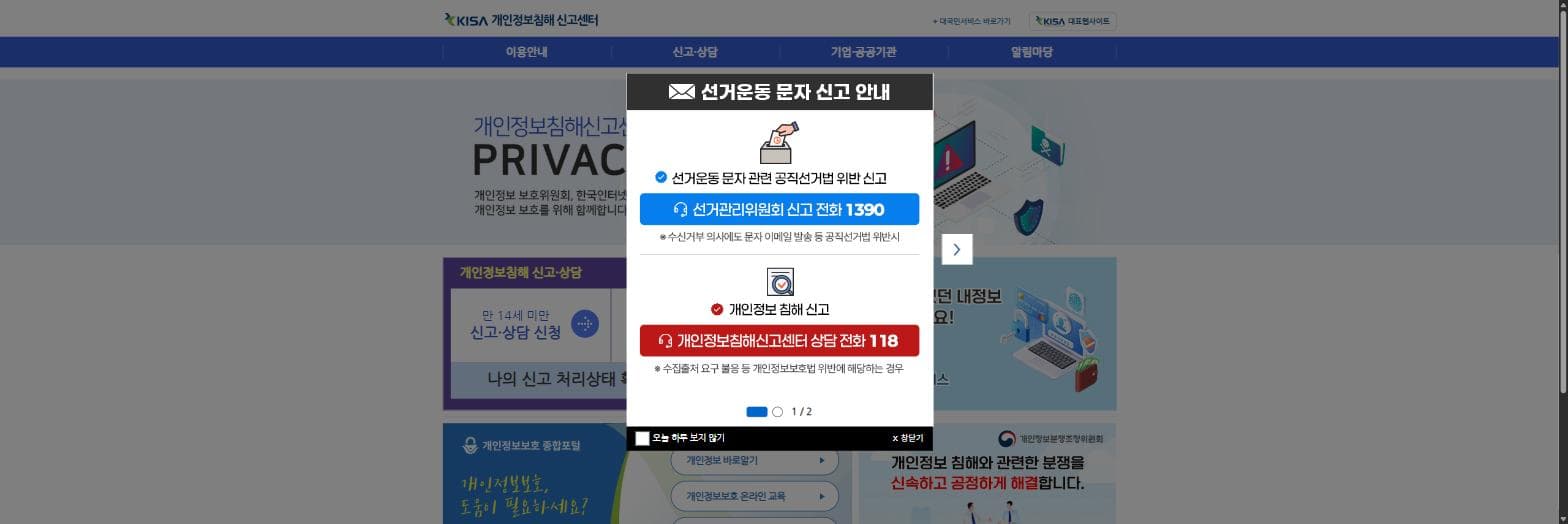
Personal Information Infringement Report Center (118)
A Korea Internet & Security Agency (KISA) channel for reporting and getting counseling on personal-information leaks or misuse
Weekdays 09:00-18:00
Operated by · 한국인터넷진흥원(KISA)
Cost · Free