
Right after losing a family member, there's no headspace left for inheritance procedures — but some of these have deadlines that are hard to undo if missed. Without taking time away from grieving, here is, at minimum, what needs to be done by when, laid out in order.
1Step 1 — Look up the estate in one go with the Safe Inheritance One-Stop Service
Instead of hunting down every bank account, property, vehicle, unpaid or refundable tax, and pension enrollment record in the deceased's name one by one, you can request them all at once through the Safe Inheritance One-Stop Service. You can apply together with the death report at the community service center, or apply online through Gov24. Figuring out the size of the estate is the first thing to do, since it determines how you'll handle the next step (simple acceptance, qualified acceptance, or renunciation).
2Step 2 — If the debt might exceed the assets, mind the 3-month deadline
If the lookup shows the deceased's debts exceed the assets, or the size is unclear, you must apply to family court for renunciation of inheritance or qualified acceptance within 3 months of the date you learned of the death (the start of inheritance). Miss this deadline and it's automatically treated as simple acceptance — meaning you inherit the debt along with everything else — so if the estate lookup result is ambiguous, it's safer to move quickly.
3Step 3 — Also check what you may be entitled to, such as a survivor pension
If the deceased was enrolled in the National Pension, you can check whether you qualify for a survivor pension through the National Pension Service Customer Center (1355). It's easy to forget that inheritance isn't only about handling debt — it's also about claiming benefits the bereaved family may be owed.
4Step 4 — Mind the inheritance tax filing deadline
If the inherited estate exceeds a certain size, you must file the inheritance tax through Hometax (National Tax Service) within 6 months of the last day of the month in which the inheritance began, to avoid a penalty surcharge. If the estate is not large, you may owe no tax at all within the deduction limits — so it is a good idea to check whether you are even required to file, through Hometax counseling or a tax professional.
Services mentioned in this guide

Safe Inheritance One-Stop Service
A service that lets you look up a deceased family member's financial assets, real estate, taxes, and pensions all at once with a single application
Online anytime (in-person applications follow the local government office's hours)
Operated by · 행정안전부
Cost · Free
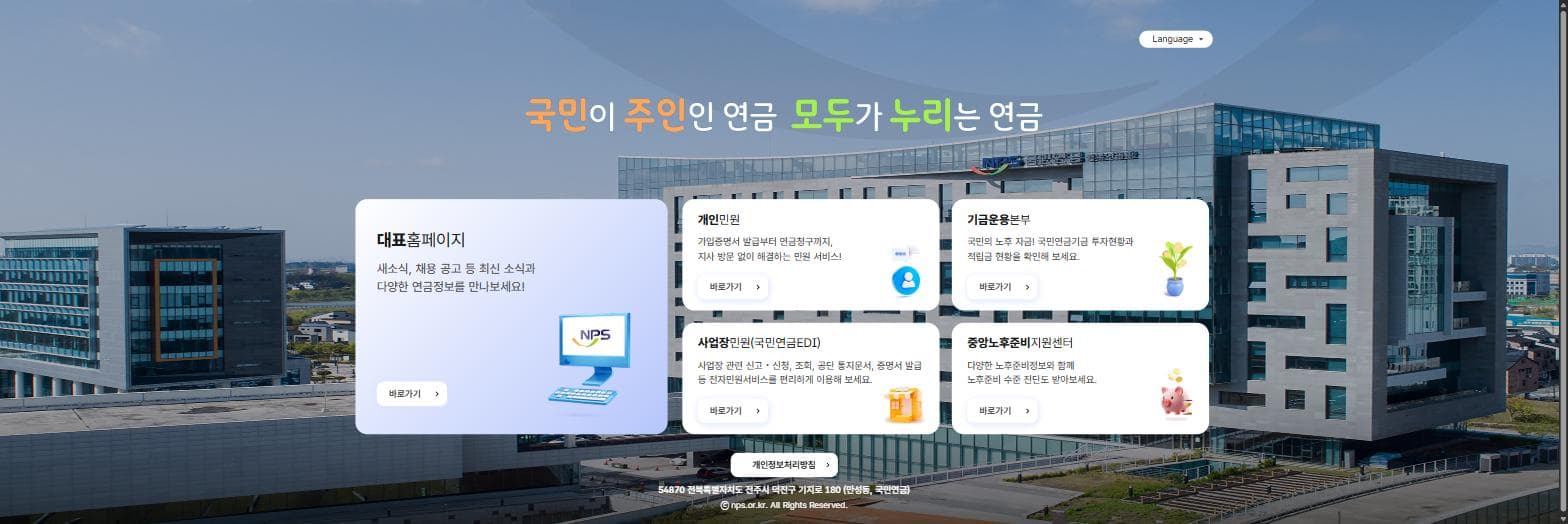
National Pension Service Customer Center (1355)
The National Pension Service's main counseling line, covering everything from checking your enrollment history and estimated payout to retirement planning
Weekdays 08:00–19:00
Operated by · 국민연금공단
Cost · Free
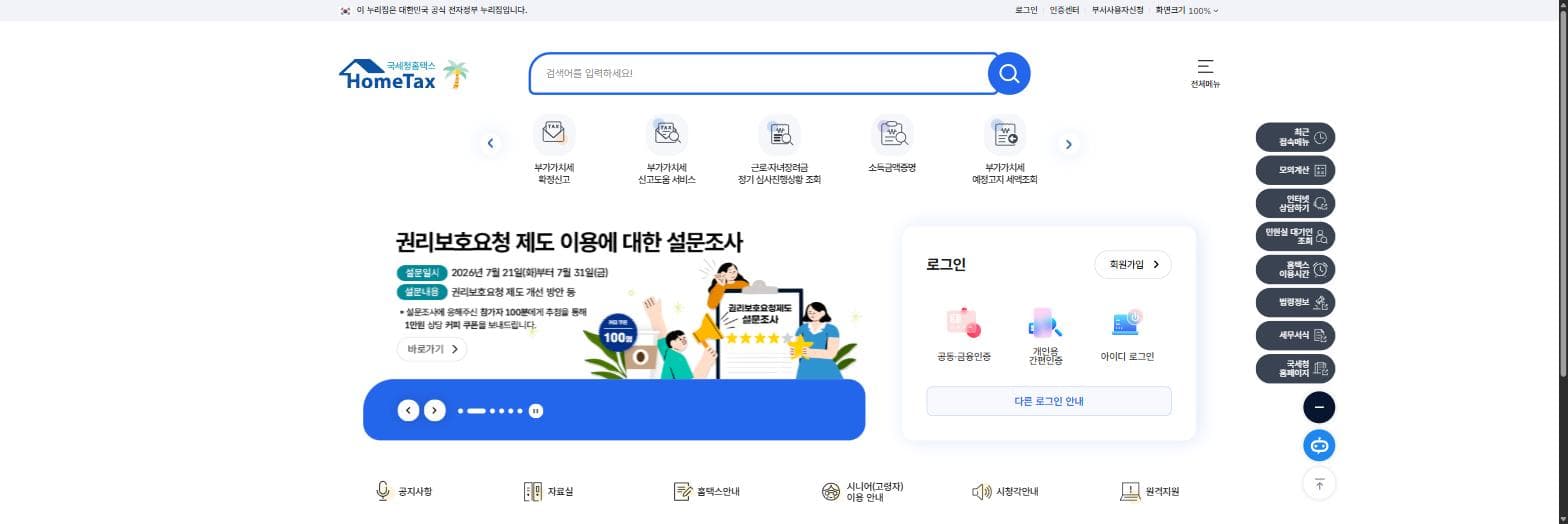
National Tax Service Hometax
The National Tax Service's main online tax service, covering everything from year-end tax settlement and comprehensive income tax filing to cash receipt lookups
Online 24 hours, phone counseling (126) weekdays 09:00-18:00
Operated by · 국세청
Cost · Free